

Hindustan Unilever (erstwhile GSK Consumer Healthcare)
The Challenge
ETP Upgrade Needed to Match Growth and Corporate Standards
GSK Consumer Healthcare India (merged with Hindustan Unilever in 2020) operated major manufacturing facilities producing nutrition and health food drink brands including Horlicks, Boost, Maltova, and Viva across plants in Nabha, Rajahmundry, and Sonepat. The company's food processing and malt-based manufacturing operations generated substantial organic wastewater from production processes, equipment cleaning, and utility systems.
Facing stringent Environmental Protection Act standards, corporate sustainability commitments from both GSK and Unilever parent organisations, and the need for enhanced supply chain resilience, the company required an ETP expansion solution that would deliver long-term compliance, optimise lifecycle treatment costs, and reduce operational burdens while supporting continued manufacturing growth.
Key Issues:
- !GSK required enhanced resilience and sustainability across its supply chain operations
- !The existing ETP facility needed significant upgrades to meet evolving corporate standards
- !Faced an incremental investment requirement of ₹5+ Crores with uncertainty around future scalability
The Solution
Scalable ETP Expansion Engineered for Lifecycle Performance
Spans Envirotech designed a comprehensive ETP expansion strategy aligned with GSK's long-term growth trajectory and sustainability goals. Rather than engineering for immediate capacity alone, we designed a robust, scalable solution that eliminated the need for repeated capacity upgrades as production volumes grew.
The system was optimised for both 100% regulatory compliance and minimal operational complexity — reducing chemical consumption, energy usage, maintenance requirements, and labour intensity across the full lifecycle of the treatment plant.
Technologies Deployed:
Implementation Timeline:
Phase 1: ETP Expansion Strategy & Engineering
Developed a comprehensive expansion strategy aligned with GSK's long-term growth and sustainability goals. Engineered a scalable solution addressing both immediate capacity needs and future production increases, eliminating the need for repeated infrastructure upgrades.
Phase 2: System Installation & Integration
Installed expanded treatment infrastructure optimised for real-world operating conditions. Integrated automated controls and intelligent process design to reduce manual intervention and simplify day-to-day operations for plant staff.
Phase 3: Commissioning & Optimisation
Commissioned the system with a focus on minimising chemical consumption, energy usage, and maintenance requirements. Fine-tuned operational parameters to achieve total lifecycle cost efficiency and full regulatory compliance across all discharge parameters.
The Results
Lower Lifecycle Costs, Full Compliance & Operational Reliability
19%+
Lifecycle Cost Reduction
Total cost of ownership (capex + opex) reduced over the system's operational lifespan
100%
Compliance
Zero violations since commissioning — BOD, COD, TSS, heavy metals and pH all consistently met
Eliminated
Capacity Bottlenecks
System handles peak flows and variable loads seamlessly, removing production slowdowns
Built-in
Scalability
Designed to accommodate future regulatory changes and production growth without major infrastructure upgrades
“Spans Envirotech delivered a wastewater treatment solution aligned with our corporate growth and sustainability objectives. We needed an ETP expansion that wouldn't require frequent upgrades while ensuring 100% compliance. Spans designed a scalable system that reduced our total lifecycle treatment costs by 19%+, achieved long-term regulatory compliance, and minimised operational complexity. They focused on sustainable engineering rather than just meeting immediate capacity needs—exactly what our supply chain resilience strategy required.”
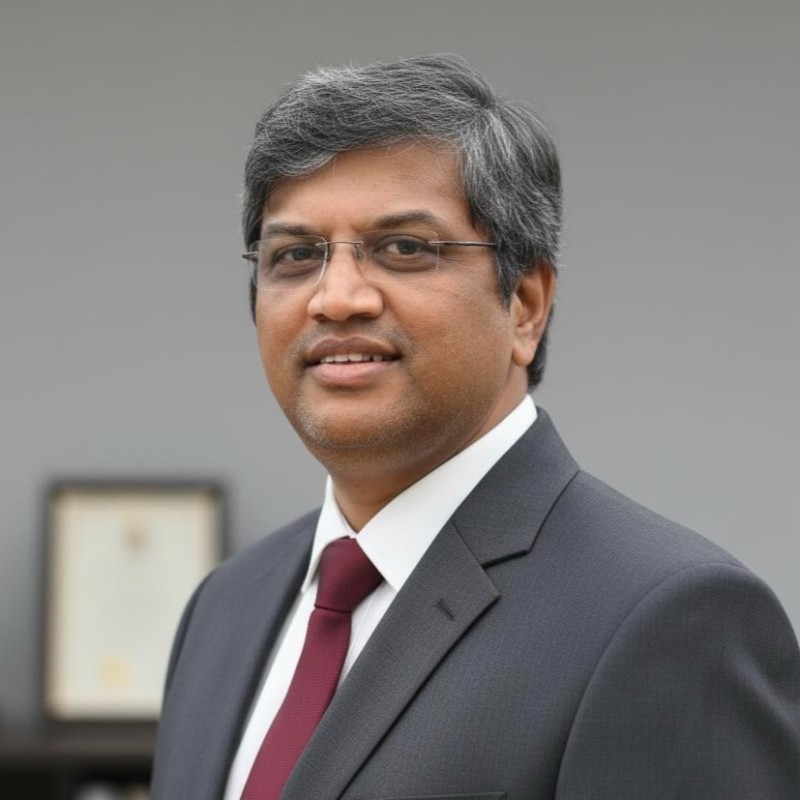
Nityanand Natrajan
Site Director, Hindustan Unilever Ltd (erstwhile GSK Consumer Healthcare India)
Achieve Similar Results for Your Facility
Let us design a custom solution tailored to your specific needs.